
Case studies / Chronic Psoriasis in a 62-Year-Old Male
Case study
Chronic Psoriasis in a 62-Year-Old Male
Case Overview
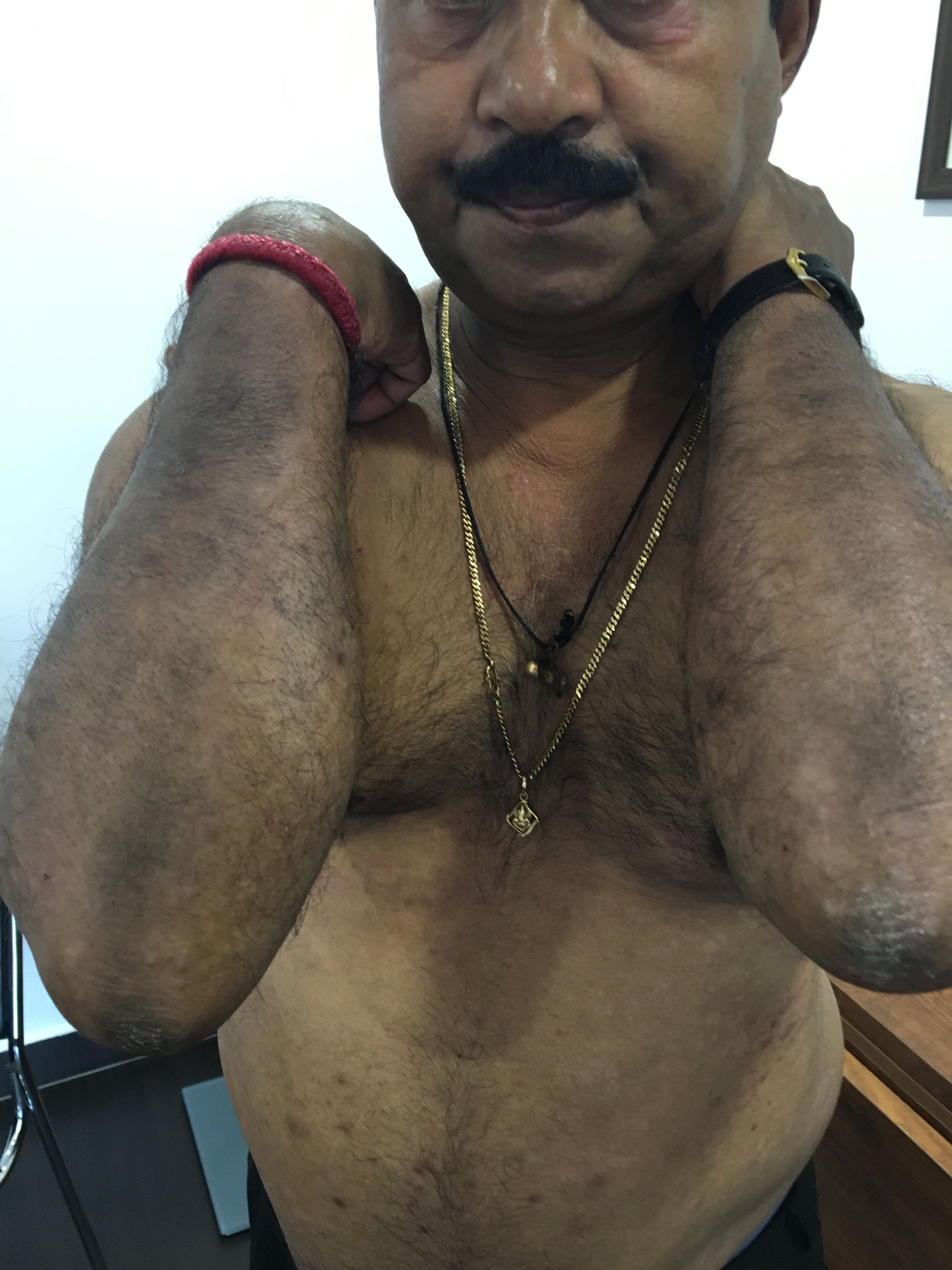
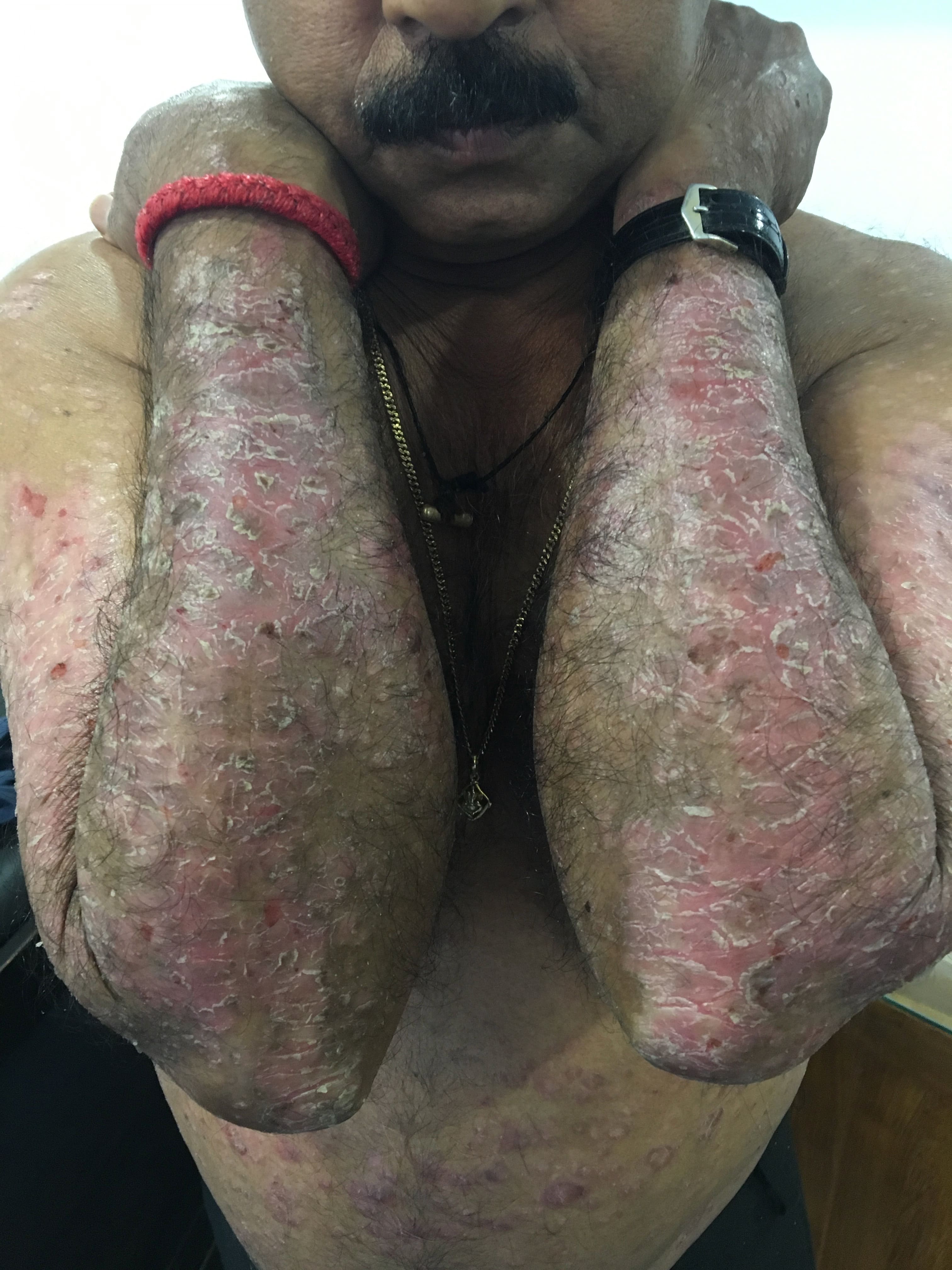
A 62-year-old male patient presented with long-standing psoriasis characterized by recurrent flare-ups affecting the skin over several years.
The condition was chronic in nature, with periods of remission followed by repeated relapses, impacting comfort and quality of life.
Clinical Background
The patient reported a history of frequent flare-ups with varying severity.
Previous treatments provided temporary relief but did not help maintain long-term stability.
The recurring nature of the condition led to frustration and concern regarding disease control.
Given the immune-mediated nature of psoriasis, the patient sought a structured approach focused on sustained management rather than short-term symptom suppression.
Assessment & Diagnosis
A comprehensive clinical evaluation was undertaken, focusing on disease duration, relapse pattern, symptom severity, and overall health status.
Lifestyle factors, stress levels, and systemic contributors influencing psoriasis activity were assessed.
Based on clinical findings and history, the condition was identified as chronic plaque psoriasis with recurrent flare-ups.
Treatment Approach
A diagnosis-led, individualized homeopathic treatment plan was initiated.
The objective was to improve disease stability and reduce the frequency and intensity of flare-ups.
Treatment focused on supporting immune regulation and skin health rather than suppressing visible lesions alone.
Regular follow-ups were emphasized to monitor disease activity and adjust care.
Follow-Up & Progress
Over the course of follow-up, the patient experienced a noticeable reduction in the frequency and severity of flare-ups.
When relapses occurred, they were milder and managed effectively through ongoing care.
The patient reported improved comfort and greater confidence in managing the condition.
Patient Perspective
The patient valued the consistent follow-up, clear explanations, and focus on long-term disease control rather than episodic treatment.