
Case studies / Chronic Eczema of the Feet in a 42-Year-Old Femal
Case study
Chronic Eczema of the Feet in a 42-Year-Old Femal
Overview
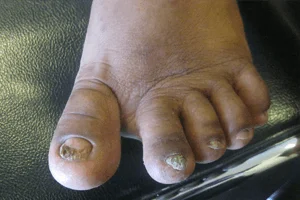
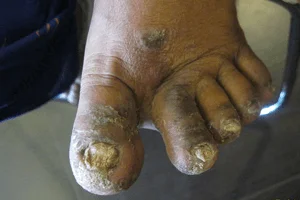
A 42-year-old female patient presented with persistent eczema affecting both feet, ongoing for approximately one year.
The condition was characterized by itching, dryness, redness, and recurrent flare-ups, causing significant discomfort and difficulty with daily activities.
Clinical Background
The patient reported that symptoms would temporarily subside with topical applications but would recur repeatedly.
Prolonged use of creams had provided only short-term relief.
There was no history of major systemic illness, but the patient described increased stress levels and sensitivity to certain footwear and environmental triggers.
Assessment & Diagnosis
A detailed clinical evaluation was conducted, focusing on the pattern, duration, and recurrence of skin symptoms.
Based on clinical presentation and history, the condition was identified as chronic eczema of the feet.
The condition was noted to be influenced by immune sensitivity, skin barrier dysfunction, and systemic factors.
Further assessment included review of lifestyle patterns, stress response, skin sensitivity, and overall health status.
Treatment Approach
A diagnosis-led, individualized homeopathic treatment plan was initiated.
The approach aimed at addressing underlying functional imbalance rather than suppressing surface symptoms.
The treatment emphasized internal regulation, skin stability, and safety, with regular monitoring and follow-up.
Supportive guidance was provided regarding skin care routines, avoidance of known irritants, and general lifestyle measures.
Follow-Up & Progress
Over the course of follow-up visits, the patient showed steady improvement in skin condition.
By approximately three months, itching and inflammation had significantly reduced.
Affected skin areas showed marked clinical improvement.
No new flare-ups were noted during ongoing monitoring.
Patient Perspective
The patient reported improved comfort and confidence as symptoms reduced.
She appreciated the structured evaluation and gradual, non-suppressive approach to care.