
Case studies / Alopecia Areata in a 13-Year-Old Female
Case study
Alopecia Areata in a 13-Year-Old Female
Case Overview
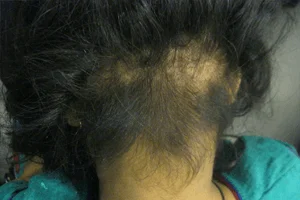
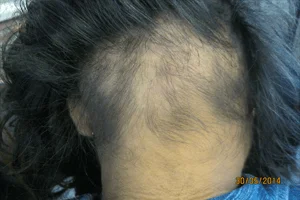
A 13-year-old female patient presented with progressive hair loss involving multiple areas of the scalp over several months.
The condition had been gradually worsening, causing visible bald patches and emotional distress for both the patient and her family.
Clinical Background
The hair loss began as small, localized patches and gradually became extensive.
Prior to consulting at AIS Clinic, the patient had tried various topical applications without sustained improvement.
Given her young age, the family was concerned about the long-term impact of the condition and the safety of ongoing treatment options.
There was no significant acute illness preceding the onset, but the patient reported increased academic stress and irregular dietary habits.
No invasive treatments had been initiated before consultation.
Assessment & Diagnosis
A detailed clinical evaluation was conducted, including scalp examination and assessment of hair follicle activity.
Based on clinical findings and disease pattern, the condition was identified as Alopecia Areata, an immune-mediated disorder characterized by patchy hair loss.
Further evaluation focused on understanding contributing factors such as immune sensitivity, stress response, digestive patterns, sleep quality, and overall constitutional health.
Treatment Approach
The treatment plan was designed using a diagnosis-led, individualized homeopathic approach, appropriate for a pediatric patient.
Care focused on addressing underlying functional imbalance rather than suppressing symptoms.
In addition to prescribed homeopathic medication, guidance was provided on maintaining a balanced, nutrient-rich diet, managing academic and emotional stress, and establishing healthy sleep and daily routines.
The approach emphasized safety, gradual response, and regular follow-up.
Follow-Up & Progress
Over the course of follow-up visits, gradual changes were observed in scalp health and hair regrowth patterns.
Existing patches showed signs of improvement, and no new areas of hair loss were noted during monitoring.
The patient tolerated the treatment well, and care was adjusted periodically based on response and clinical observation.
The family reported improved confidence and emotional comfort as visible changes progressed.
Patient Perspective
The patient and her parents appreciated the structured evaluation, clear explanations, and gentle approach suited to her age.
The focus on long-term care and safety provided reassurance throughout the treatment process.